Attend almost any major event today whether it’s a music festival, corporate conference, sporting event, trade show, resort, or community celebration and you’ll likely receive some form of event credential before you even step inside.
It might be a fabric wristband with RFID technology, a personalized conference badge, a color-coded lanyard, or a digital ticket that unlocks a complete event experience.
While event credentials may seem like a small detail, they’ve become one of the most important tools in modern event management.
Today’s credentials do much more than grant admission. They help organizers improve security, streamline operations, manage access, support cashless payments, strengthen branding, and create memorable guest experiences.
The journey to today’s sophisticated identification systems didn’t happen overnight.
At Wristix, we’ve seen event identification evolve dramatically over the years. As events have become larger, more complex, and more experience-driven, credentialing has evolved alongside them. Understanding that evolution helps explain why thoughtful event identification has become an essential part of successful event planning.
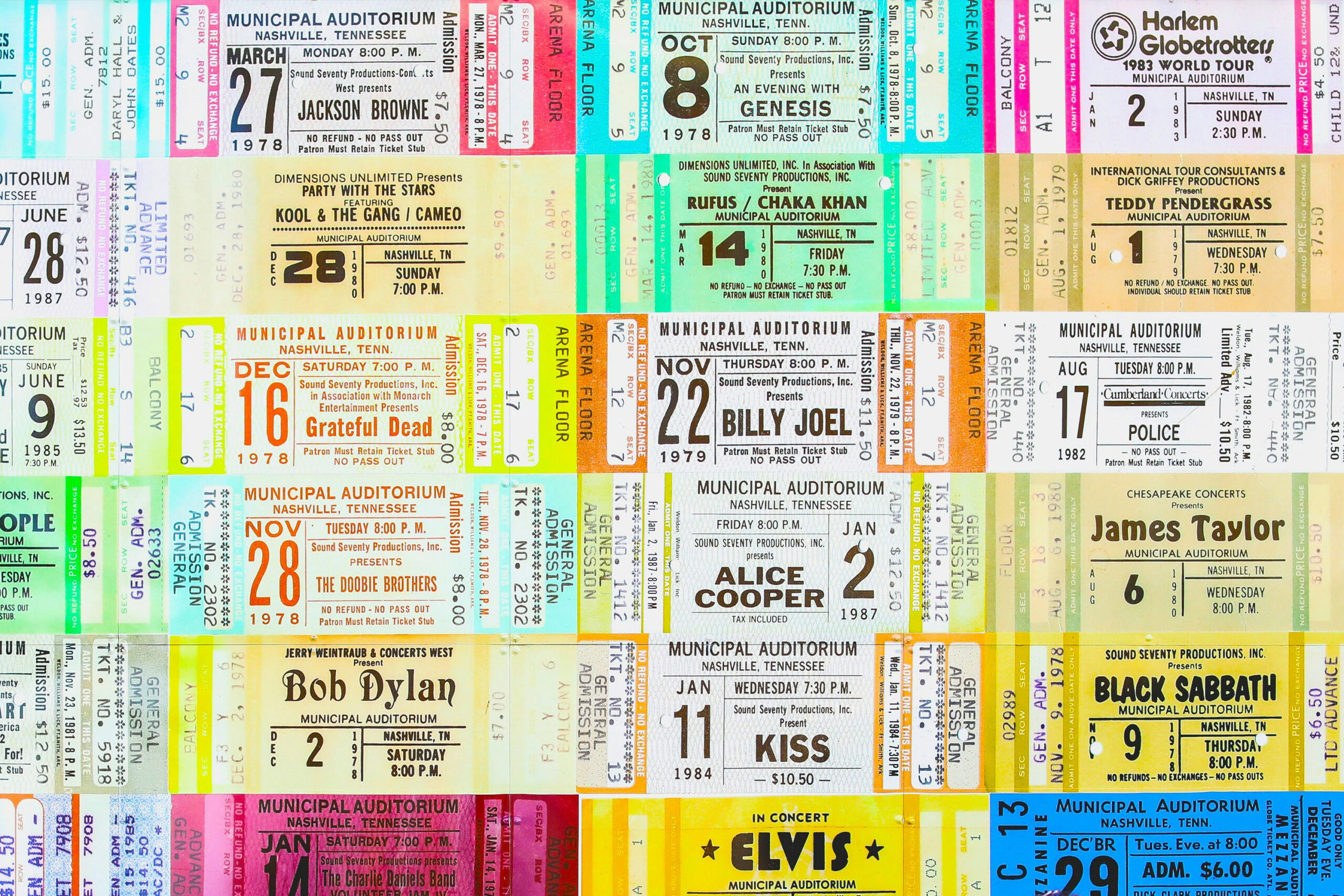
The Early Days: Simple Paper Tickets
For generations, paper tickets were the standard for event admission.
Whether attending a concert, sporting event, theatre performance, or local fair, guests simply presented a printed ticket at the entrance.
For smaller events, this system worked well.
However, as attendance increased, organizers began encountering challenges.
Paper tickets could be:
- Lost
- Damaged
- Copied
- Resold without authorization
- Difficult to verify quickly
- Easily shared between guests
Once guests entered the venue, tickets provided little assistance for identifying who belonged where or whether someone had permission to re-enter after leaving.
As events grew, organizers needed more efficient solutions.
Moving Beyond Admission
Event organizers gradually realized that identification involved much more than simply getting people through the entrance.
Guests moved throughout venues.
Volunteers needed to be recognized.
Staff required access to restricted areas.
Vendors needed credentials.
Media representatives required specialized access.
VIP experiences became increasingly common.
Rather than focusing solely on admission, organizers began thinking about how credentials could support the entire event experience.
This shift changed the role of event identification forever.
The Rise of Wristbands
Custom wristbands quickly became one of the most practical solutions for many types of events.
Unlike paper tickets, wristbands remained with attendees throughout the event.
This created several immediate advantages.
Staff could verify admission with a quick glance.
Guests could leave and return without carrying additional paperwork.
Security personnel could identify authorized attendees more efficiently.
Depending on the event, different wristband materials offered solutions for different operational needs.
Today, organizers commonly choose from:
- Tyvek® wristbands
- Vinyl wristbands
- Fabric wristbands
- Silicone wristbands
- Plastic wristbands
- RFID-enabled wristbands
Each material serves a different purpose, allowing organizers to select credentials that best match their event.
Conferences Changed the Way We Think About Credentials
As business conferences and trade shows became larger and more interactive, badges and lanyards emerged as essential identification tools.
Unlike wristbands, badges provided space for detailed information such as:
- Attendee names
- Company names
- Job titles
- Speaker designations
- Session access
- QR codes
- Barcodes
- Sponsor recognition
These credentials served a dual purpose.
They improved security while also encouraging networking.
Being able to recognize names and organizations helped attendees make valuable business connections throughout the event.
Today, badges remain a cornerstone of conferences, exhibitions, and corporate events around the world.
Security Became a Higher Priority
As events continued to grow in size, security expectations increased as well.
Organizers faced new challenges, including:
- Counterfeit tickets
- Unauthorized access
- Credential sharing
- Restricted access management
- Large crowd movement
- Multiple admission points
Event credentials evolved to address these concerns.
Custom printing, sequential numbering, tamper-evident closures, holographic features, unique artwork, and serialized credentials all helped reduce opportunities for duplication while making legitimate credentials easier to recognize.
Rather than functioning as simple admission tools, credentials became an important part of comprehensive event security planning.
The Introduction of Barcode Technology
The next major advancement came through barcode technology.
Instead of relying solely on visual inspection, organizers could now electronically validate each attendee.
Barcodes and QR codes offered several important advantages.
They allowed organizers to:
- Verify ticket authenticity
- Prevent duplicate admissions
- Track attendance
- Simplify registration
- Improve reporting
Guests became accustomed to receiving digital tickets directly on their smartphones, reducing the need for printed admission materials while improving convenience.
Barcode technology remains an effective and affordable solution for many events today.
RFID Changed the Guest Experience
Perhaps the most significant advancement in event credentials has been the introduction of RFID technology.
RFID, or Radio Frequency Identification, transformed event credentials from simple identifiers into interactive tools.
Rather than scanning printed codes, RFID-enabled credentials communicate wirelessly with compatible readers.
This allows organizers to support:
- Faster admissions
- Simple re-entry
- Cashless purchases
- Hotel room access
- Locker rentals
- Activity registration
- VIP experiences
- Attendance tracking
For guests, RFID often means fewer items to carry and a smoother experience throughout the event.
For organizers, it creates new opportunities to improve operations while gathering valuable event insights.
Event Credentials Became Part of the Brand
Today’s event credentials do more than identify attendees.
They’re part of the overall event experience.
Premium fabric wristbands often feature:
- Event logos
- Sponsor branding
- Custom artwork
- Event dates
- Unique woven designs
Conference badges showcase event branding while helping attendees identify speakers, exhibitors, and networking opportunities.
Branded lanyards remain visible throughout the day, reinforcing the identity of the event while creating additional sponsor exposure.
Rather than disposable items, credentials have become valuable branding assets.
The Rise of the Keepsake
One interesting trend is that many attendees choose to keep their credentials after the event.
Festivalgoers often save fabric wristbands.
Conference attendees retain badges as professional mementos.
VIP credentials become souvenirs.
These keepsakes extend the life of an event long after it has concluded.
Every time someone sees a wristband or conference badge months later, they’re reminded of the experience—and the organization behind it.
This lasting visibility is one reason many organizers invest in high-quality, professionally designed credentials.
Why Customization Matters
No two events operate exactly the same way.
A community fundraiser has different needs than a resort.
A school field day differs from a multi-day music festival.
That’s why customization has become increasingly important.
Today’s organizers can personalize credentials through:
- Custom colors
- Logos
- Sequential numbering
- QR codes
- Barcodes
- RFID chips
- Sponsor branding
- Woven designs
- Variable attendee information
Customization helps ensure credentials support both operational goals and the overall event identity.
Looking Ahead: The Future of Event Credentials
Technology continues to reshape the event industry.
As guest expectations evolve, event credentials will continue evolving alongside them.
Future trends may include:
- Expanded RFID capabilities
- Greater integration with event management software
- Enhanced mobile experiences
- Improved sustainability initiatives
- More personalized attendee interactions
- Advanced access control systems
- Contactless event experiences
While technology will continue changing, one thing is unlikely to change: organizers will always need reliable ways to identify people, manage access, and create exceptional experiences.
Choosing the Right Credential Today
With so many options available, selecting the right event credential involves more than choosing a product.
Organizers should consider:
- Event size
- Event duration
- Number of attendees
- Security requirements
- Re-entry policies
- Branding goals
- Budget
- Technology needs
- Guest experience
The best credential is the one that supports your event from start to finish.
Wristix Pro Tip
When planning your identification strategy, think beyond admission.
Ask yourself how attendees, staff, volunteers, vendors, speakers, sponsors, and media representatives will move throughout your event. Building your credential system around those interactions often leads to smoother operations, stronger security, and a more enjoyable experience for everyone involved.
How Wristix Helps Modern Events
Wristix we understands that event credentials have become far more than tickets.
They’ve evolved into powerful tools that support organization, security, branding, and guest satisfaction.
That’s why we offer a wide range of event identification and access solutions, including:
- Custom Tyvek® wristbands
- Premium fabric wristbands
- Vinyl and silicone wristbands
- RFID-enabled credentials
- Event badges
- Branded lanyards
- Staff credentials
- Vendor passes
- Parking permits
- Access passes
- Custom event identification products
Our goal isn’t simply to provide products—it’s to help organizers build identification systems that work for their unique events.
Final Thoughts
The evolution of event credentials reflects the evolution of the events industry itself.
What began as simple paper tickets has grown into sophisticated identification systems that improve security, streamline operations, strengthen branding, and create better experiences for attendees.
Whether you’re hosting a local fundraiser, a multi-day music festival, a corporate conference, a school event, or a destination resort experience, choosing the right credential is an important part of your event’s success.
At Wristix, we’re proud to help organizations stay ahead of that evolution by providing event identification and access solutions designed for today’s events. We also stay ready for tomorrow’s innovations. From traditional wristbands and badges to advanced RFID solutions, we’re here to help you create an event that is organized, secure, and memorable from the first check-in to the final farewell.