You’ve spent months planning your event.
The entertainment is booked, vendors are ready, marketing has generated excitement, and guests are finally arriving. Then, within minutes of opening your gates, the entrance becomes congested.
Lines grow longer.
Guests become impatient.
Security staff work as quickly as they can, but every ticket that needs to be checked, every question that needs to be answered, and every access level that needs to be verified adds valuable seconds to each interaction.
Before long, what should have been an exciting arrival has turned into a frustrating wait.
At Wristix, we’ve seen firsthand how the check-in experience can influence an event’s success. While guests may not remember every operational detail, they almost always remember how an event made them feel. If that experience begins with long lines and uncertainty, it can affect their perception of the entire day.
Fortunately, many of these bottlenecks are preventable with thoughtful planning and the right event identification strategy.
First Impressions Start at the Entrance
For attendees, the event begins long before the first performance, keynote speaker, or activity.
It starts the moment they arrive.
Guests naturally expect some level of security, especially at larger events. They understand that bag checks, ticket verification, and access control are important for everyone’s safety.
What they don’t enjoy is standing in a slow-moving line wondering how much longer they’ll have to wait.
Long queues can create frustration before guests even step through the gate.
That first impression often sets the tone for everything that follows.
A smooth, organized entrance immediately communicates professionalism and helps attendees feel confident that the event is well managed.
Long Lines Can Cost More Than Time
Many organizers think of long entry lines as an inconvenience.
In reality, they can have much broader consequences.
Extended wait times may lead to:
- Guests arriving late for scheduled performances or presentations.
- Increased pressure on security and event staff.
- Congestion around entrances.
- Negative reviews and social media comments.
- Frustrated vendors waiting for customer traffic.
- Reduced food and beverage sales during peak hours.
- Guests leaving before entering.
- Lower attendance at future events.
In some cases, potential attendees may see a long lineup from the parking lot or street and decide the event simply isn’t worth the wait.
For ticketed events, that’s more than an inconvenience—it can represent lost revenue and missed opportunities.
Why Entry Bottlenecks Happen
Long lines usually aren’t caused by one major problem.
They’re the result of many small delays adding up.
Common causes include:
- Searching for digital tickets.
- Phone screens that won’t load.
- Dead batteries.
- Printed tickets that won’t scan.
- Guests entering through the wrong line.
- Staff verifying multiple access levels.
- Re-entry questions.
- Last-minute ticket purchases.
- Unclear signage.
Even if each interaction takes only a few extra seconds, those delays multiply quickly when hundreds or thousands of guests arrive within a short period.
The busiest time of day is often the first hour after gates open.
That’s exactly when your systems need to perform at their best.
Security Doesn’t Have to Slow Everything Down
Strong security and efficient entry are not mutually exclusive.
In fact, the best events achieve both.
The goal isn’t to reduce security procedures—it’s to make them more efficient.
This is where a well-planned event identification system makes a significant difference.
When guests can be identified quickly and accurately, staff spend less time asking questions and more time keeping people moving.
Wristbands Keep Guests Moving
Many organizers use digital tickets to manage registrations and admissions.
Once those tickets are scanned, however, wristbands become one of the simplest ways to streamline movement throughout the rest of the event.
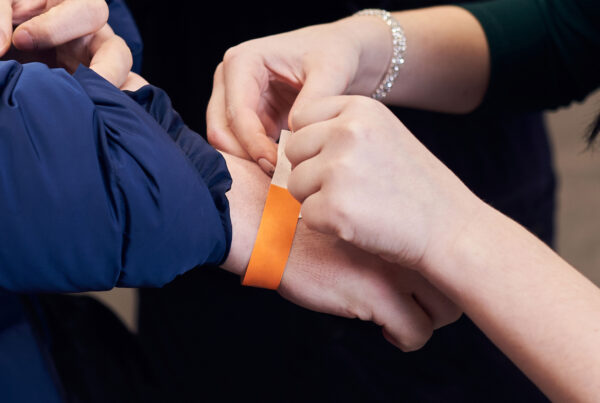
Instead of repeatedly presenting tickets or mobile devices, guests wear a secure credential that staff can recognize instantly.
Whether they’re re-entering the venue, accessing a VIP area, purchasing alcohol, or entering a restricted space, verification takes only a quick visual check.
That simplicity benefits everyone.
Guests spend less time waiting.
Staff spend less time checking credentials.
Security can focus on maintaining a safe environment rather than repeatedly verifying the same information.
Faster Re-Entry Means Happier Guests
Many outdoor events allow guests to leave temporarily.
They might return to their vehicle, visit nearby restaurants, or simply step outside for fresh air.
Without a reliable identification system, re-entry can become one of the biggest causes of delays.
Searching for confirmation emails.
Finding paper tickets.
Explaining previous admission.
Replacing lost credentials.
Each interaction slows the line.
Custom wristbands eliminate much of this uncertainty.
Guests simply return wearing their original wristband, allowing staff to confirm admission in seconds.
Colour Coding Speeds Up Decision Making
Not every guest has the same level of access.
Some events include:
- VIP lounges.
- Hospitality areas.
- Media zones.
- Staff-only spaces.
- Vendor entrances.
- Performer access.
- Age-restricted beverage areas.
Without a clear identification system, staff may need to stop each guest to confirm permissions.
Colour-coded wristbands simplify these decisions.
A quick glance tells staff where a guest belongs, reducing delays while improving security.
Small improvements like these often have a surprisingly large impact during busy periods.
Better Identification Creates Better Crowd Flow
Event organizers often focus on the entrance gate, but guest movement continues throughout the venue.
Every checkpoint, activity, hospitality space, or restricted area presents another opportunity for congestion.
Clear identification helps maintain a steady flow throughout the day.
Instead of creating bottlenecks at multiple locations, staff can verify access almost instantly.
The result is shorter lines, fewer interruptions, and a smoother experience from start to finish.
The Guest Experience Extends Beyond Entertainment
When people think back on a memorable event, they rarely remember how quickly they entered.
But they certainly remember when the entry was frustrating.
Guests often associate smooth operations with professionalism.
They feel more relaxed.
More confident.
More likely to spend time enjoying food vendors, attractions, merchandise, and activities instead of standing in line.
Creating an enjoyable arrival experience encourages guests to begin their day on a positive note.
That positive first impression often carries throughout the event.
Operational Efficiency Benefits Everyone
A well-designed identification system doesn’t just improve the guest experience.
It also supports your event team.
Security personnel spend less time answering repetitive questions.
Volunteers feel more confident directing attendees.
Registration staff process guests more efficiently.
Managers spend less time resolving preventable issues.
When everyone has the tools they need to do their job effectively, the entire operation becomes more efficient.
Choosing the Right Identification Solution
Not every event requires the same approach.
The ideal identification system depends on factors such as:
- Event size.
- Duration.
- Number of access levels.
- Indoor or outdoor setting.
- Budget.
- Security requirements.
- Re-entry policies.
At Wristix, we help organizers select solutions that fit their event rather than recommending unnecessary products.
Depending on your needs, that may include:
- Tyvek® wristbands for single-day admission.
- Vinyl wristbands for multi-day events.
- Fabric wristbands for premium experiences.
- RFID wristbands for electronic access control.
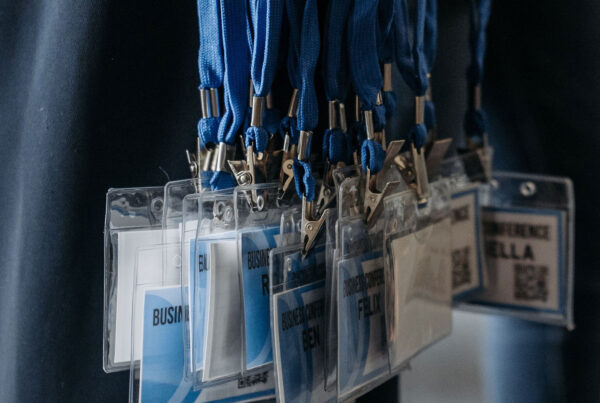
- Lanyards and credentials for staff, media, vendors, and speakers.
The right solution is the one that makes your event easier to manage while creating a seamless experience for your guests.
Planning Ahead Makes All the Difference
One of the most common observations we’ve made over the years is that credential planning often happens near the end of the event planning process.
By that point, organizers are balancing vendor confirmations, staffing schedules, marketing, entertainment, and countless other priorities.
Planning your identification strategy earlier allows time to:
- Determine access levels.
- Finalize designs.
- Organize colour coding.
- Train staff.
- Prepare registration procedures.
- Test entry processes.
These small preparations can significantly reduce stress once guests begin arriving.
More Than Just Wristbands
While custom wristbands are one of the most effective ways to improve event flow, they’re only part of a larger identification strategy.
Wristix also provides event identification products that help organizers create a consistent and professional credentialing system.
From guest wristbands and VIP credentials to staff badges and lanyards, every product plays a role in helping attendees move through your event with confidence while giving your team the tools they need to work efficiently.
When every person is clearly identified, communication improves, decisions happen faster, and guests spend less time waiting.
Final Thoughts
Long lines may seem like an unavoidable part of hosting a popular event, but they don’t have to define the guest experience.
Thoughtful planning, clear processes, and effective event identification can dramatically improve how quickly attendees move through your gates and around your venue. The result isn’t just shorter lines—it’s a more welcoming atmosphere, a less stressful experience for your staff, and a stronger first impression for every guest.
At Wristix, we’ve spent more than a decade helping organizers simplify event operations through practical identification solutions that support both security and efficiency. Whether you’re planning a small community event or a large-scale festival, we’re here to help you choose the right products to keep guests moving, reduce bottlenecks, and create an event people will remember for all the right reasons.