Designing a custom wristband may seem straightforward at first.
Choose a color.
Add a logo.
Place an order.
But once you begin creating the design, one question quickly comes up:
What should actually be printed on the wristband?
Should it include your event name?
Your logo?
The event date?
A barcode?
A sponsor?
The answer depends on how the wristband will be used.
At Wristix, we work with event organizers across festivals, conferences, schools, resorts, fundraisers, sporting events, and corporate gatherings. One of the most common pieces of advice we give is this:
A wristband should do more than look good: it should serve a purpose.
Every element you print should support your event’s operations, branding, or security.
Here’s what to consider when designing a wristband that works as well as it looks.
Start With the Purpose of the Wristband
Before deciding what information belongs on a wristband, ask yourself a simple question:
What is this wristband meant to accomplish?
Different events use wristbands for different reasons.
For example, your wristband may be used to:
- Grant admission
- Allow re-entry
- Identify VIP guests
- Distinguish staff or volunteers
- Verify age for licensed areas
- Support RFID access
- Promote your event
- Recognize sponsors
- Identify participants
- Manage multiple access levels
Once you know the primary purpose, it becomes much easier to decide what information should be included.
Your Event Name
For many organizers, the event name is the most important piece of information to print.
Including the event name immediately identifies where the wristband belongs and helps reinforce your brand throughout the event.
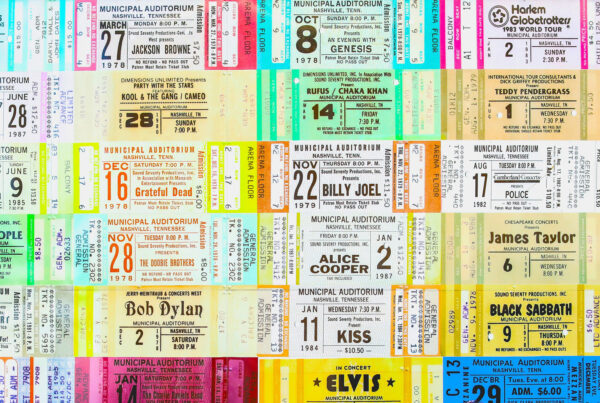
A clearly printed event name also makes the wristband more meaningful if attendees choose to keep it as a souvenir.
If your event has a recognizable name, this should almost always be part of the design.
Your Logo
A custom logo helps transform a wristband from a generic admission tool into part of your event identity.
Whether you’re hosting a charity fundraiser, music festival, school event, corporate conference, or community celebration, your logo reinforces professionalism and creates a consistent visual experience.
It also helps staff recognize legitimate credentials more quickly.
For many events, a simple logo paired with the event name creates a clean, timeless design.
Event Date
Should you print the event date?
Sometimes.
For annual events, including the year can help distinguish each edition from previous ones.
Many attendees enjoy collecting wristbands from events they attend year after year, and adding the date makes each one unique.
For one-time events, destination weddings, anniversary celebrations, or milestone fundraisers, the date can also add sentimental value.
If space is limited, however, the date is often less important than your event name or logo.
Color as Information
Not every piece of information needs to be printed.
Sometimes the wristband color communicates just as much.
Different colors may identify:
- General Admission
- VIP Guests
- Staff
- Volunteers
- Vendors
- Media
- Sponsors
- Performers
- Multi-day passes
- Age verification
Using color as part of your identification strategy allows staff to recognize access levels instantly without reading text.
When paired with custom printing, color becomes an effective operational tool.
Sequential Numbering
Many organizers choose to include sequential numbering.
Each wristband receives its own unique number, making it easier to track inventory and reduce opportunities for duplication.
Sequential numbering can also assist with:
- Prize drawings
- Attendance tracking
- Guest verification
- Internal recordkeeping
- Lost-and-found situations
While attendees may never notice these numbers, organizers often find them valuable behind the scenes.
Barcodes and QR Codes
For events using electronic registration systems, barcodes or QR codes may be an important addition.
These features can support:
- Check-in
- Attendance verification
- Re-entry
- Activity registration
- Access control
Instead of manually checking guest lists, staff can quickly scan credentials and continue moving attendees through entrances.
Whether a barcode or QR code is appropriate depends on your event’s technology and operational needs.
RFID Technology
For larger events or organizations seeking a more connected guest experience, RFID technology offers even greater flexibility.
An RFID-enabled wristband may support:
- Fast admissions
- Contactless re-entry
- Cashless purchases
- Hotel room access
- Locker rentals
- Activity registration
- Attendance tracking
- VIP experiences
Unlike printed information, RFID stores data electronically within the wristband, allowing one credential to perform multiple functions without appearing cluttered.
Sponsor Recognition
Many events rely on sponsors to help make the experience possible.
A wristband can provide subtle sponsor visibility without overwhelming the design.
When including sponsor branding, keep it balanced.
Your event should remain the primary focus, with sponsor recognition complementing the overall look rather than competing with it.
A clean, professional layout creates a stronger impression than trying to fit too many logos into a limited space.
Keep It Readable
One of the most common design mistakes is trying to include too much information.
Remember that wristbands are small.
If every available space is filled with text, logos, and graphics, the final product can become difficult to read and less visually appealing.
In most cases, a clean design is far more effective than an overcrowded one.
A few thoughtfully chosen elements often create a stronger impact than a long list of details.
Think About Security
Depending on your event, your wristband may play an important role in access control.
Custom printing helps reduce opportunities for unauthorized duplication by making your wristbands unique.
Additional security features may include:
- Tamper-evident closures
- Custom artwork
- Sequential numbering
- Unique patterns
- RFID technology
- Barcode integration
Rather than relying on one feature alone, many organizers combine several elements to create a stronger identification system.
Don’t Forget Branding
Although wristbands are functional, they’re also highly visible.
Guests wear them throughout the event.
They appear in photographs.
They often show up in social media posts.
Some attendees continue wearing premium fabric wristbands for weeks after the event.
That means every wristband is also an opportunity to reinforce your brand.
Thoughtful design today can continue promoting your event long after it has ended.
Wristix Pro Tip
Before finalizing your design, ask yourself one important question:
If someone saw this wristband without any context, would they immediately recognize your event or organization?
If the answer is yes, you’ve likely created a design that balances branding, functionality, and simplicity.
Different Events, Different Priorities
Every event has different identification needs.
A music festival may prioritize branding, re-entry, and RFID technology.
A school field day may focus on group identification through color coding.
A charity fundraiser may emphasize sponsor recognition and admission.
A corporate conference may use wristbands alongside badges and lanyards to identify networking events or VIP experiences.
The best design is the one that supports your specific goals.
More Than Just What’s Printed
While printing is important, it’s only one part of creating an effective wristband.
Material selection matters too.
Depending on your event, Wristix can help you choose from:
- Tyvek® wristbands
- Vinyl wristbands
- Fabric wristbands
- Silicone wristbands
- Plastic wristbands
- RFID-enabled wristbands
The right combination of material, printing, and customization ensures your wristbands perform well throughout the event while reflecting your organization’s professionalism.
How Wristix Can Help
At Wristix, we know that every event is different.
That’s why we work closely with organizers to recommend event identification and access solutions that fit their operational goals, branding, and budget.
Whether you’re designing custom wristbands for a school fundraiser, a music festival, a corporate conference, a resort, or a multi-day sporting event, we’ll help you determine which information belongs on your wristbands—and which details are better handled through other identification products such as badges, lanyards, or RFID solutions.
Our goal is to help you create credentials that are both practical and memorable.
Final Thoughts
A custom wristband is much more than a strip of material wrapped around someone’s wrist.
It’s an identification tool, a branding opportunity, a security feature, and often a lasting reminder of a memorable event.
Choosing the right information to print helps ensure your wristbands support your event from the moment guests arrive until the final attendee heads home.
At Wristix, we’re proud to provide event identification and access solutions that combine thoughtful design with practical functionality. Whether you need simple admission wristbands or a fully customized identification system, we’ll help you create products that look professional, work seamlessly, and contribute to an exceptional event experience.