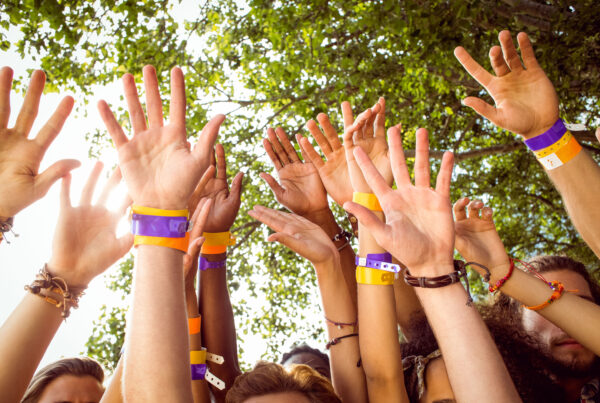
When planning an event, it’s easy to think of wristband colors as simply a design choice.
Should they match your branding?
Stand out from the crowd?
Coordinate with your event logo?
While appearance certainly matters, experienced event organizers know that color serves a much bigger purpose.
A well-planned color system helps staff make faster decisions, improves security, simplifies guest movement, and creates a smoother experience for everyone involved. In many cases, a simple change in wristband color can save valuable time, reduce confusion, and eliminate unnecessary conversations throughout the day.
At Wristix, we’ve worked with organizers across festivals, conferences, schools, resorts, sporting events, fundraisers, and corporate gatherings, and one lesson remains consistent: the most effective color systems are designed around operations. Not aesthetics.
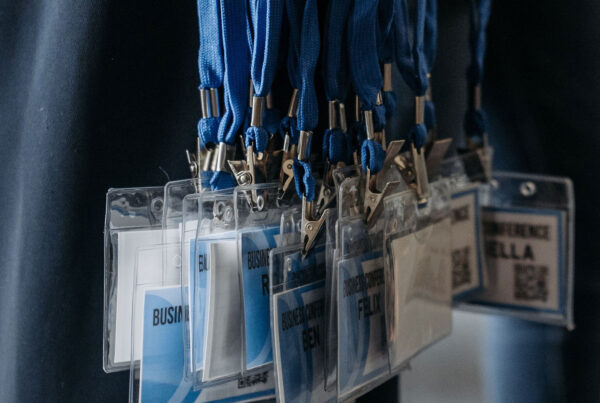
Whether you’re using custom wristbands, event badges, lanyards, credentials, or access passes, choosing the right colors can make your event easier to manage from the moment guests arrive until the final attendee leaves.
Why Color Coding Works
Imagine a volunteer standing at the entrance to a VIP lounge.
Without any visual identification, they may need to stop every guest to ask questions, examine tickets, or verify names on a list.
Now imagine those same guests wearing clearly identifiable credentials.
Instead of checking paperwork, the volunteer simply recognizes the correct color and welcomes them inside.
That interaction takes seconds instead of minutes.
Multiply those time savings across thousands of guests and dozens of access points, and the impact becomes significant.
Color coding transforms complicated decisions into simple visual recognition.
It’s one of the easiest and most cost-effective ways to improve event operations.
More Than Wristbands
Although wristbands are the most common application, color coding works across many event identification products.
Depending on your event, organizers may choose to color-code:
- Wristbands
- Staff badges
- Lanyards
- Credential holders
- Event passes
- Parking permits
- Vendor credentials
- Media badges
- Volunteer IDs
Using consistent colors across multiple identification products creates a professional system that’s easy for both staff and attendees to understand.
Common Ways Organizers Use Wristband Colors
There’s no universal standard for wristband colors, and that’s actually a good thing.
Every event has different operational needs.
Rather than assigning fixed meanings to specific colors, successful organizers choose colors that clearly separate different groups.
Common categories include:
- General Admission
- VIP Guests
- Staff
- Volunteers
- Vendors
- Sponsors
- Media
- Performers
- Security
- Children
- Parents
- Age Verification
- Multi-Day Admission
The important thing isn’t which color you choose.
It’s that every member of your event team understands what each color represents.
Simplifying Access Control
Many events include areas that aren’t open to everyone.
These may include:
- Backstage areas
- Hospitality lounges
- Speaker rooms
- Staff-only spaces
- Equipment storage
- Vendor entrances
- Athlete warm-up areas
- Licensed beverage gardens
- Premium seating sections
Rather than repeatedly checking tickets or guest lists, staff can use color-coded credentials to verify access at a glance.
This helps keep guests moving while maintaining appropriate security.
Helping Staff Make Faster Decisions
One of the biggest advantages of color coding is how quickly it communicates information.
Consider a busy festival with thousands of attendees.
Security personnel don’t have time to carefully examine every credential.
Instead, they rely on quick visual recognition.
Color-coded identification allows them to answer questions almost instantly:
Does this person belong backstage?
Can this guest enter the hospitality tent?
Is this individual part of the event staff?
Should this vehicle access the service entrance?
The fewer questions staff need to ask, the smoother the event becomes.
Improving Guest Experience
Guests rarely think about event identification—unless it slows them down.
When attendees can move confidently through entrances, activity areas, food service locations, and VIP spaces without repeatedly presenting tickets or explaining where they belong, the entire experience feels more organized.
Clear identification reduces uncertainty for everyone.
Guests know where they can go.
Staff know how to help.
Lines move more efficiently.
Small operational improvements often create the biggest differences in guest satisfaction.
Color Coding for Multi-Day Events
Festivals, fairs, conferences, and sporting tournaments often take place over several days.
Organizers frequently use different wristband colors for each day to simplify admission and reduce unauthorized reuse.
For example:
- Friday attendees receive one color.
- Saturday guests receive another.
- Weekend pass holders wear a separate credential.
- Staff maintain consistent identification throughout the event.
This approach helps security teams verify admission quickly while making it easier to identify expired credentials.
Some organizers also incorporate custom printing, sequential numbering, barcodes, or RFID technology for an additional layer of security.
Supporting Age Verification
Many festivals, concerts, and community events include licensed areas where alcohol is served.
Color-coded wristbands provide a simple method for identifying guests who have already completed age verification.
Rather than requesting identification each time someone approaches a beverage station, staff can quickly recognize the appropriate wristband and continue serving guests efficiently.
This speeds up service while helping organizers maintain responsible beverage practices.
Schools, Camps, and Youth Events
Color coding is particularly valuable at school events and youth programs.
Different colors may identify:
- Grade levels
- Camp groups
- Activity rotations
- Volunteers
- Teachers
- Parents
- Visitors
Rather than repeatedly organizing students or checking attendance lists, supervisors can identify groups almost immediately.
This becomes especially useful during field days, school carnivals, sports tournaments, and summer programs where multiple activities take place simultaneously.
Corporate Events and Conferences
Conferences often involve many different attendee categories.
These may include:
- Delegates
- Speakers
- Exhibitors
- Sponsors
- Media
- Event staff
- Volunteers
- VIP guests
Color-coded lanyards, badges, or credentials allow organizers to distinguish these groups while maintaining a polished, professional appearance.
It also helps attendees identify the right people when asking questions or networking throughout the event.
Avoid Making Your Color System Too Complicated
One of the most common mistakes organizers make is creating too many categories.
While it may seem helpful to assign a unique color to every group, overly complex systems can create confusion.
Wristix Pro Tip
Keep your color system as simple as possible.
If staff need a chart to remember what each color means, you’ve probably created too many categories.
Most successful events can clearly identify everyone using between four and eight primary colors, supported by printed text, custom graphics, barcodes, or RFID technology when additional detail is required.
Simple systems are easier to explain, easier to remember, and much easier to manage during busy event periods.
Color Alone Shouldn’t Be Your Only Security Feature
While color coding is an excellent organizational tool, it’s most effective when combined with additional identification features.
Depending on your event, organizers may choose to include:
- Custom printing
- Event logos
- Sequential numbering
- Barcodes
- QR codes
- RFID technology
- Tamper-evident closures
- Woven fabric designs
- Sponsor branding
Combining multiple security features makes credentials more difficult to duplicate while creating a more professional appearance.
Building a Cohesive Event Identification System
The best events don’t rely on a single product.
Instead, they create a coordinated identification system.
For example:
Guests may wear color-coded wristbands.
Staff display branded lanyards and credentials.
Media representatives receive custom badges.
Vendors display vehicle parking permits.
Volunteers wear easily recognizable passes.
Each product works together to create a system that’s easy to understand, visually consistent, and operationally efficient.
How Wristix Can Help
Choosing colors may seem like a small decision, but it’s one that can influence the way your entire event operates.
At Wristix, we work with organizers to develop event identification and access solutions that support their unique goals—not simply their branding.
Whether you need custom Tyvek® wristbands for a community fundraiser, premium fabric wristbands for a music festival, RFID credentials for a resort, color-coded badges for a conference, or a complete identification system for a multi-day event, we’ll help you select products that improve organization while creating a professional guest experience.
Because every event is different, we focus on recommending solutions that fit your operations rather than offering one-size-fits-all packages.
Final Thoughts
At first glance, choosing a wristband color may seem like a simple design decision.
In reality, it’s one of the easiest ways to improve communication, strengthen security, simplify access control, and create a more organized event.
When thoughtfully planned, color-coded event identification helps staff make faster decisions, keeps guests moving, reduces confusion, and supports a more enjoyable experience for everyone involved.
At Wristix, we believe great event identification goes beyond products. It starts with understanding how people move through your event and designing solutions that make every interaction smoother. Whether you’re organizing a school fundraiser, corporate conference, multi-day festival, resort activation, or community celebration, our team is here to help you build an event identification system that’s practical, professional, and tailored to your unique needs.
Because when everyone knows where they belong, your event runs exactly the way it should.